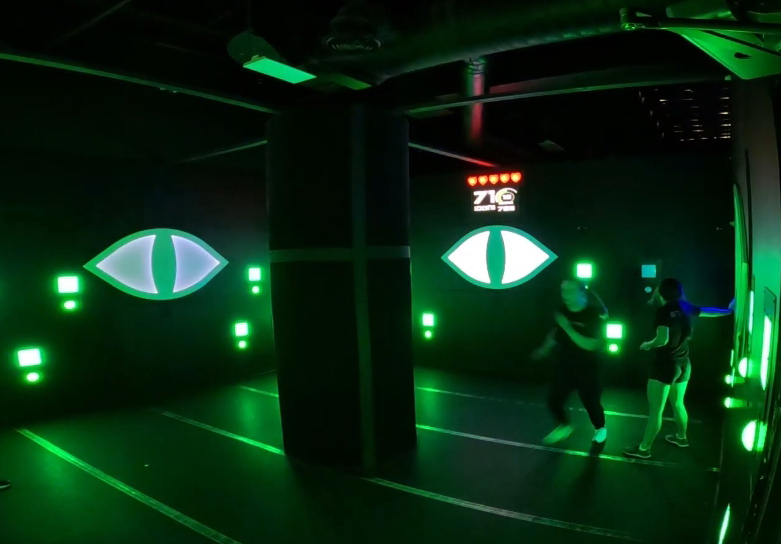
Planning a successful interactive game room requires more than creative vision—it demands a clear financial roadmap. By developing a robust three-year ROI projection, venue operators can make informed decisions, secure financing, and build a sustainable business model around interactive entertainment.
The foundation of any reliable financial model begins with accurate revenue forecasting. Key variables include hourly capacity, average session pricing, peak/off-peak utilization rates, and seasonal demand fluctuations. Most activate games installations achieve optimal profitability when maintaining 60-70% capacity during peak hours and 30-40% during standard operating times. Additional revenue streams from party packages, league tournaments, and corporate events typically contribute 25-35% of total earnings, significantly enhancing overall profitability.
On the expense side, careful planning must account for both initial investment and ongoing operational costs. The activate games factory direct manufacturing model typically reduces equipment costs by 25-40% compared to distributor pricing, while maintaining commercial-grade durability. Fixed operational expenses include space rental, utilities, insurance, and management staffing, while variable costs encompass maintenance, content updates, and hourly employee wages. Smart operators allocate 15-20% of monthly revenue to a replacement fund for future upgrades and technology refresh cycles.
The three-year projection reveals compelling financial patterns. Most professionally planned profitable arcade game solutions reach breakeven within 8-12 months, with the second year typically generating 40-60% net profit margins as initial equipment investments are fully absorbed. By the third year, well-maintained installations often achieve 65-80% returns on the original investment, factoring in equipment refresh cycles and market expansion opportunities.
Critical success factors emerging from proven models highlight the importance of flexible pricing strategies, diversified revenue streams, and regular content updates. Venues that implement dynamic pricing—adjusting rates based on demand patterns and introducing membership programs—consistently outperform those relying on static pricing models. Similarly, operations that regularly introduce new game content and seasonal experiences maintain higher repeat visitation rates and longer average customer lifespans.
This financial framework provides venue operators with a realistic toolkit for evaluating different scenarios and making strategic decisions. By understanding the complete financial picture of interactive entertainment investments, businesses can confidently move forward with expansion plans, knowing they have a clear path to profitability and sustainable growth in the dynamic world of interactive entertainment.