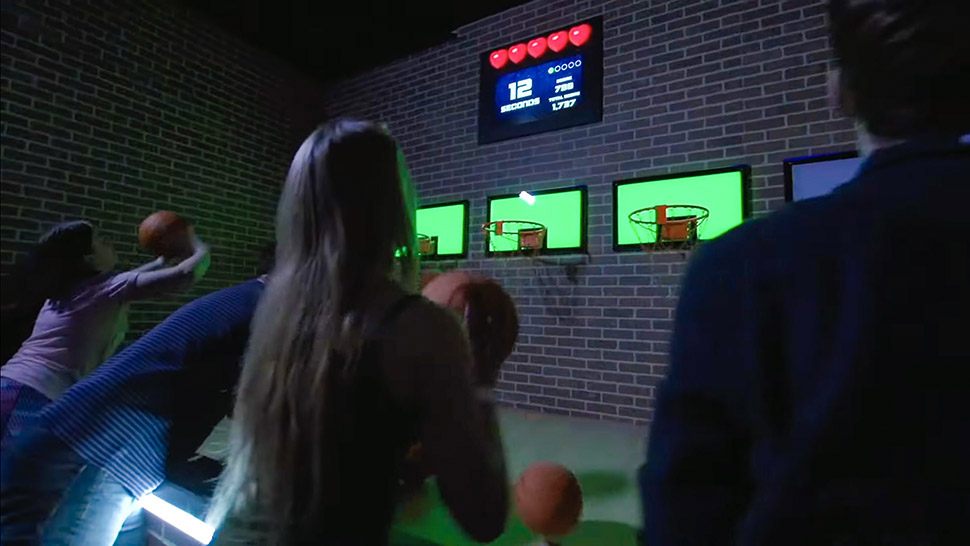
For family entertainment centers and trampoline parks, peak hours represent a critical window to maximize revenue, yet they also pose the greatest operational challenges. Long queues, player bottlenecks, and inconsistent player throughput can quickly turn high demand into missed opportunities and frustrated guests. Effective interactive game flow management transforms this pressure into profit by strategically orchestrating technology, space, and player engagement.
The foundation of seamless peak-hour operation is technological reliability and network resilience. Modern interactive attractions demand robust, low-latency connectivity to ensure instantaneous response times, which are crucial for maintaining immersion when dozens of players are active simultaneously-7. Advanced networking solutions enable high-density concurrent usage, allowing venues to confidently host multiple groups without sacrificing the quality of the interactive game installation services that keep the experience smooth-10. This technical backbone prevents the lag or crashes that create immediate bottlenecks during your most valuable operating windows.
With a stable foundation in place, strategic player flow management takes center stage. Intelligent layout design is key, guiding guests through a natural progression from high-energy, quick-session attractions to more involved, longer-duration challenges. This design minimizes cross-traffic and idle waiting. To actively regulate throughput, dynamic session management tools are essential. These systems allow operators to adjust game durations and group sizes in real-time based on queue lengths, ensuring a constant, optimized flow of players through each profitable arcade game solution.
The ultimate tool for peak-hour optimization is a data-driven LiveOps (Live Operations) approach. By segmenting players—distinguishing new visitors, regulars, and high-engagement users—venues can deploy targeted incentives that keep everyone engaged. For example, offering short-duration challenge modes or exclusive peak-time leaderboards can motivate players to opt into faster-turnover experiences, naturally accelerating the overall player cycle. The goal is to balance pure competition with personal achievement, ensuring all player types feel rewarded and are motivated to continue participating, thus driving continuous revenue flow.
Ultimately, peak hour mastery is about creating a self-reinforcing cycle of satisfaction and efficiency. Reliable technology prevents downtime, smart flow design minimizes congestion, and data-informed engagement strategies maximize per-player value. By implementing this holistic management framework, venues can ensure their activate games deliver not just thrilling experiences, but also consistently optimized revenue performance when it matters most. This transforms peak hours from an operational hurdle into your most reliable engine for growth and customer loyalty.