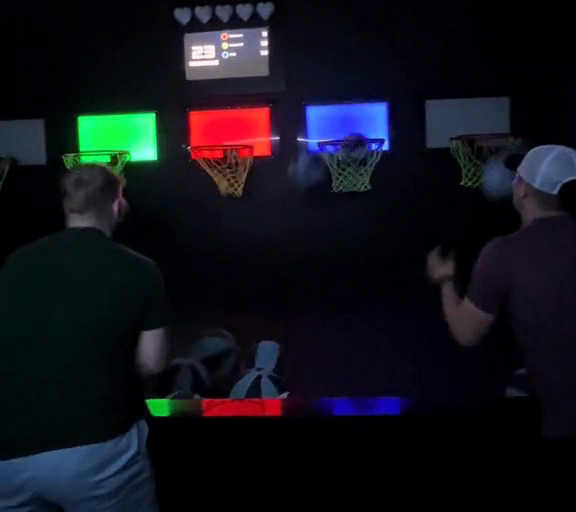
In the dynamic world of interactive entertainment, a one-size-fits-all challenge level is a recipe for disengagement. If a game is too simple, players become bored; if it’s too complex, frustration sets in. This is especially critical in a modern interactive games facility, where a single session might host enthusiastic beginners, energetic families, and seasoned competitors. At the heart of our activate games is an intelligent, proprietary software layer: adaptive difficulty algorithms. These systems are engineered to dynamically personalize the experience in real-time, ensuring that every player, regardless of age or skill, encounters the perfect balance of fun and challenge, maximizing both enjoyment and repeat visits.
The core philosophy of our system is to create a “flow state”—that optimal zone where challenge perfectly matches ability. For young players and newcomers, our active games for kids and teens are designed to be welcoming. The algorithm initially presents achievable objectives, offering clear instructions and positive reinforcement for basic successes. This builds immediate confidence and a sense of accomplishment. As the software detects improving consistency and speed—through metrics like reaction time, accuracy, and pattern recognition—it begins to introduce subtle complexities. The pacing might increase, additional obstacles appear, or scoring multipliers require more strategic play. This gentle, invisible ramp ensures that players are constantly nudged toward growth without feeling overwhelmed, turning a novice into a competent player within a single session.
For the experienced player or “pro,” the algorithm serves a different master: sustaining engagement through mastery and precision. The system recognizes high-performance patterns and shifts its parameters to provide a stern test. It might create more randomized challenge sequences to prevent pure memorization, tighten timing windows, or introduce complex multi-step objectives. The goal here is not to alienate, but to offer a scalable peak that rewards practice, strategy, and skill. This ensures that our activate games remain compelling for school groups on a first visit and for dedicated enthusiasts on their tenth, all within the same physical installation.
The technological magic lies in the software’s non-invasive data analysis. It doesn’t require player profiles or logins; it learns by observing. By processing thousands of data points per second on metrics like movement efficiency, decision-making under pressure, and success rates on specific task types, the algorithm builds a real-time performance model for each individual or team. This allows it to make micro-adjustments between rounds or even during an active game. The result is an experience that feels intuitively fair and responsive, as if the game itself is a thoughtful opponent or coach.
From a business perspective for venue operators, this adaptive intelligence is a powerful tool for maximizing asset value. It dramatically broadens the addressable market for each game, making it simultaneously a perfect active games for kids and teens and a demanding arena for adults and competitive leagues. This increases per-player satisfaction, drives longer session times, and crucially, fosters the desire to return and beat one’s personal best. The software ensures that the challenge never runs out, protecting your investment from becoming predictable or stale. In essence, our adaptive difficulty algorithms don’t just run a game; they curate a personalized pathway to fun and mastery for every single guest who walks into your interactive games facility, ensuring your activate games are always the main attraction.