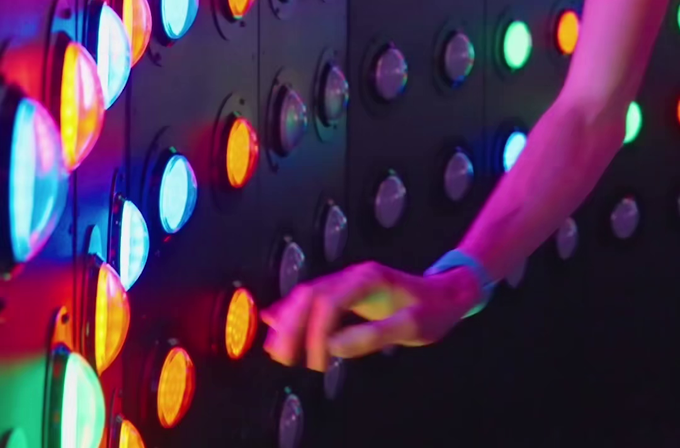
The entertainment landscape is undergoing a fundamental transformation as visitors increasingly seek active participation over passive observation. Traditional arcades, while nostalgic, often fail to deliver the dynamic engagement that modern audiences demand. The shift toward immersive, movement-driven experiences represents not just a trend but a fundamental evolution in how people choose to spend their leisure time.
At the heart of this transformation are digital-physical hybrid games that seamlessly blend athletic activity with digital innovation. Unlike stationary arcade cabinets, these installations get players moving, collaborating, and fully immersed in the experience. A perfect example is the interactive dodgeball game, where traditional team competition meets real-time scoring technology and dynamic visual effects. This fusion creates an electrifying social atmosphere that simply cannot be replicated by traditional gaming formats.
What sets these modern installations apart is their ability to create memorable, shareable moments. The social dynamics of team-based challenges, the physical exhilaration of movement-driven gameplay, and the visual spectacle of responsive lighting and effects naturally encourage participants to capture and share their experiences. This organic marketing extends the venue’s reach far beyond its physical walls, attracting new visitors drawn by authentic peer recommendations.
The technological foundation supporting these experiences has evolved dramatically. Advanced motion tracking systems deliver precise responsiveness, while cloud-connected platforms allow for regular content updates that keep experiences fresh for returning visitors. These systems are built for commercial durability, designed to withstand constant use while maintaining operational reliability that minimizes downtime and maintenance costs.
For venue operators, the business case is compelling. Interactive installations typically demonstrate significantly higher throughput than traditional arcades, with players often willing to pay premium prices for experiences that offer both physical engagement and social connectivity. The combination of higher per-capita spending and increased repeat visitation creates a powerful revenue model that outperforms traditional entertainment offerings.
The future of entertainment venues lies in creating spaces where technology enhances human connection rather than replacing it. By embracing interactive features that promote physical activity, social interaction, and shared memorable moments, forward-thinking operators can establish a sustainable competitive advantage that keeps their venues relevant and profitable for years to come.